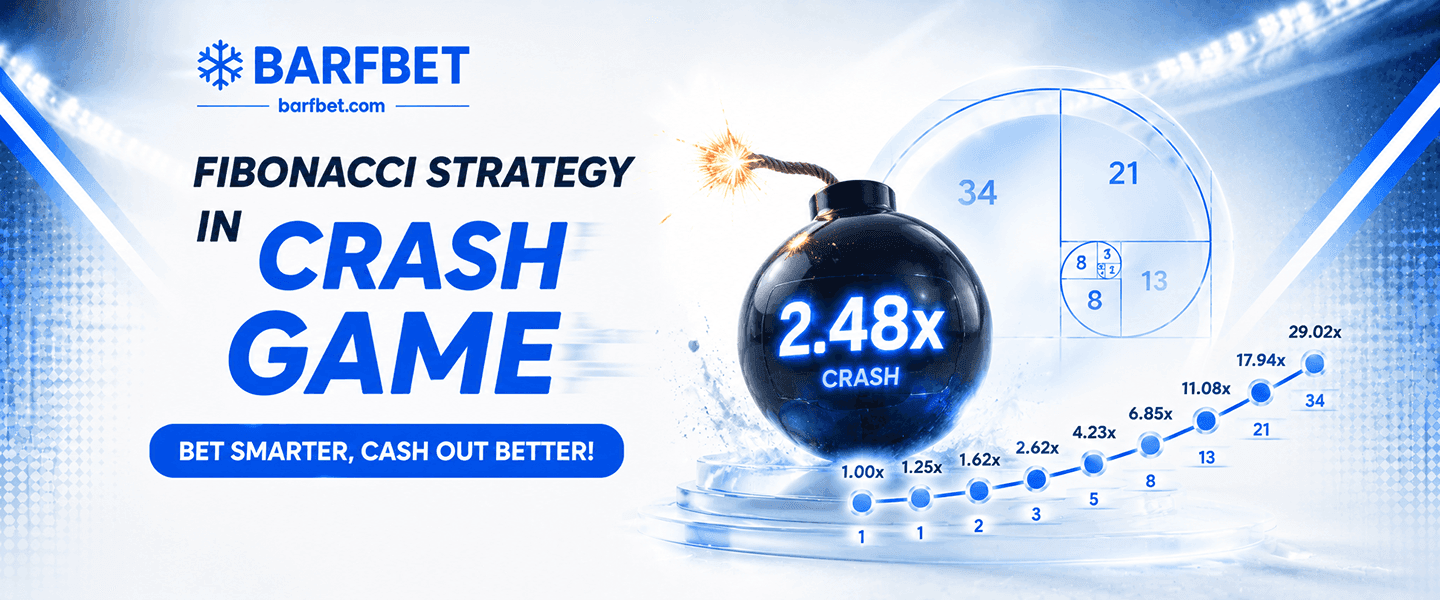
Among the many betting progressions discussed by Crash Game players, the Fibonacci strategy remains one of the most recognized. Inspired by the famous Fibonacci number sequence, this approach adjusts wager sizes after each round according to a predefined pattern rather than relying on emotional decisions.
Supporters of the Fibonacci system often describe it as a more gradual alternative to aggressive progression methods because wager sizes increase more slowly following losses. However, like any betting progression, it does not influence how Crash Games generate outcomes or improve the mathematical probability of future rounds.
Understanding how the Fibonacci strategy works—and where its limitations lie—can help players evaluate it more realistically instead of expecting guaranteed results.
What Is the Fibonacci Strategy?The Fibonacci strategy is a betting progression based on the well-known Fibonacci sequence:
1, 1, 2, 3, 5, 8, 13, 21, 34...
Each number equals the sum of the two numbers before it.
Some players apply this sequence to the size of their wagers rather than placing the same amount every round. After a losing round, they move one step forward in the sequence. After a winning round, they typically move back two positions.
The underlying idea is to recover previous losses gradually instead of making large increases after every unsuccessful wager.
It's important to remember that this system changes only the amount being wagered. It does not affect the random outcome of the game itself.
Why Some Players Use the Fibonacci SystemUnlike betting progressions that increase wager sizes rapidly, the Fibonacci approach follows a more gradual pattern.
Players who discuss this system often mention reasons such as:
- Following a structured betting plan instead of making emotional decisions.
- Increasing wager sizes more gradually than some alternative progressions.
- Maintaining consistency during longer playing sessions.
- Using predefined rules rather than changing bet sizes impulsively.
These characteristics may help some players organize their betting decisions, but they should not be interpreted as evidence that the strategy can predict or influence future Crash Game multipliers.
Basic Principles of the Fibonacci StrategyPlayers who choose to follow this progression generally rely on a few consistent rules.
Start with a Small Base StakeThe sequence begins with a relatively small wager. Choosing a modest starting point helps keep later wager increases more manageable if several losses occur in succession.
Move Forward After a LossWhen a round is lost, the next wager moves one position forward in the Fibonacci sequence.
Because each increase follows a mathematical pattern, wager sizes grow gradually rather than doubling immediately.
Move Back After a WinAfter a successful round, the progression typically returns two positions in the sequence.
This adjustment reduces wager sizes again and resets the progression toward smaller amounts.
Follow the Sequence ConsistentlyThe Fibonacci strategy depends on following the sequence consistently rather than changing wager sizes based on emotion.
Skipping positions or making spontaneous adjustments changes the progression and removes the structured approach that defines the system.
Set Financial Limits Before PlayingRegardless of the betting progression being used, establishing personal spending limits before a session begins is an important part of responsible bankroll management.
No progression can remove the possibility of consecutive losses, making predefined limits an important consideration.
Types of Fibonacci StrategiesOver time, several variations of the Fibonacci betting progression have become popular among Crash Game players. While they all use the Fibonacci sequence as a foundation, each version applies it differently.
It's worth remembering that these approaches change only how wager sizes are adjusted. They do not alter the independently generated outcomes of Crash Games.
Classic Fibonacci StrategyThe classic Fibonacci strategy is the version most players recognize.
After each losing round, the next wager moves one step forward in the Fibonacci sequence. After a winning round, the progression typically moves back two positions.
For example, using a unit size of $10, the progression might look like this:
Fibonacci NumberWager1$101$102$203$305$508$80
Supporters of this approach appreciate that wager increases are generally more gradual than systems that double the stake after every loss.
However, a long sequence of consecutive losses can still result in substantially larger wagers over time.
Reverse Fibonacci StrategyThe Reverse Fibonacci strategy, sometimes called the Positive Progression, works differently.
Instead of increasing the wager after a loss, players move forward in the sequence following a win. After a losing round, they return to the beginning or an earlier position in the sequence.
The idea behind this approach is to increase exposure only during winning streaks while reducing wager sizes after losses.
Some players prefer this method because it limits wager growth during unfavorable sessions.
Like every betting progression, however, it cannot predict future outcomes or improve the mathematical odds of the game.
Limited Fibonacci StrategySome players choose to limit how far they progress through the Fibonacci sequence.
Rather than continuing indefinitely, they establish a maximum point where they'll stop increasing their wagers.
For example, a player might decide not to move beyond the eighth number in the sequence. If that limit is reached, the session ends instead of continuing with larger wagers.
This variation is intended to keep betting decisions within predefined financial limits rather than allowing the progression to continue unchecked.
Potential AdvantagesPlayers who discuss the Fibonacci strategy often mention several practical characteristics.
These are observations about the structure of the progression—not guarantees of improved outcomes.
Structured Decision-MakingFollowing a predefined sequence can reduce the temptation to change wager sizes impulsively after individual wins or losses.
Gradual Wager AdjustmentsCompared with some more aggressive progression systems, wager increases generally occur more gradually.
For players who prefer steady adjustments rather than dramatic changes, this structure may feel easier to follow.
ConsistencyHaving a fixed progression provides a repeatable framework that some players find easier to manage than making every decision manually.
Limitations of the Fibonacci StrategyAlthough widely discussed, the Fibonacci progression has important limitations.
Understanding these limitations is just as important as understanding how the sequence works.
It Cannot Predict Crash MultipliersThe Fibonacci sequence has no influence over where the next Crash multiplier will stop.
Every round remains independent regardless of previous wagers or betting progressions.
Consecutive Losses Increase Wager SizeEven though wager growth is more gradual than some alternative systems, extended losing streaks still result in progressively larger wagers.
This can place additional pressure on a player's available bankroll.
Larger Bankrolls May Be RequiredLonger losing streaks naturally require larger wager sizes if the sequence continues.
Players who reach the later stages of the progression may find that their available funds or platform betting limits prevent them from continuing.
Emotional Decisions Can Disrupt the SystemLike any structured approach, the Fibonacci strategy depends on consistency.
Changing wager sizes impulsively, skipping positions, or abandoning the sequence midway removes the structure that defines the progression.
Common Mistakes New Players MakeMany misunderstandings about the Fibonacci strategy come from unrealistic expectations rather than the sequence itself.
Some of the most common mistakes include:
Starting With Wagers That Are Too LargeBeginning with an unnecessarily high base stake leaves less flexibility if several losses occur in succession.
Starting conservatively generally provides greater room for managing the progression.
Ignoring Personal Spending LimitsSome players continue advancing through the sequence without considering whether the resulting wager still fits within their planned session budget.
Predetermined limits remain important regardless of the progression being used.
Expecting Guaranteed ResultsOne of the biggest misconceptions is believing that the Fibonacci sequence guarantees eventual recovery.
No betting progression can eliminate randomness or ensure that future rounds will produce specific outcomes.
Letting Emotions Override the PlanAbandoning the sequence after a frustrating loss—or increasing wagers beyond the planned progression—often leads to inconsistent decision-making.
A structured approach loses much of its purpose when emotional reactions replace predetermined rules.
Risks of Using the Fibonacci StrategyAlthough the Fibonacci betting progression is often described as a more measured alternative to some aggressive staking systems, it still involves several important risks that players should understand before using it.
Recognizing these limitations helps create realistic expectations and encourages more informed decision-making.
Wagers Can Continue to GrowOne of the defining characteristics of the Fibonacci strategy is that wager sizes increase after losing rounds.
While the progression is generally slower than systems that double the stake after every loss, a long losing streak can still lead to significantly larger wagers than the original starting amount.
For this reason, players should understand how quickly the sequence can grow over time.
Extended Losing Streaks Are Always PossibleCrash Games generate each round independently.
This means there is no maximum number of consecutive losses that can be ruled out in advance.
Because of this uncertainty, even carefully planned betting progressions may encounter losing streaks that continue longer than expected.
Financial Limits MatterEvery player has practical financial limits.
Available bankroll, platform betting limits, and personal spending boundaries all influence how long a betting progression can realistically continue.
A progression should never be viewed as a replacement for setting responsible financial limits before a session begins.
Emotional Pressure Increases Over TimeAs wager sizes become larger, emotional pressure often increases as well.
Some players may feel tempted to abandon their original plan, skip positions in the sequence, or increase wagers beyond what they initially intended.
Maintaining discipline becomes increasingly important during these situations.
The Strategy Doesn't Change RandomnessPerhaps the most important limitation is also the simplest:
The Fibonacci strategy changes only how wager sizes are managed.
It does not influence:
- Random number generation
- Crash multipliers
- RTP
- Game probability
- Future outcomes
Understanding this distinction helps avoid unrealistic expectations.
Responsible Use of Betting ProgressionsWhether someone prefers the Fibonacci sequence or another betting progression, responsible decision-making remains essential.
Many experienced players recommend establishing personal limits before the session begins rather than making financial decisions during emotionally intense moments.
Helpful habits include:
- Setting a predefined playing budget.
- Deciding in advance when to end the session.
- Avoiding attempts to recover losses immediately.
- Taking breaks during long gaming sessions.
- Accepting that randomness cannot be controlled.
These practices cannot eliminate uncertainty, but they may help players make more consistent and informed decisions.
Final ThoughtsThe Fibonacci strategy remains one of the best-known betting progressions discussed within the Crash Game community.
Its structured approach appeals to players who prefer predefined rules over making completely spontaneous betting decisions.
However, it's important to understand what the strategy can—and cannot—do.
The Fibonacci sequence may provide a consistent framework for adjusting wager sizes, but it does not predict crash multipliers, improve the mathematical odds of the game, or guarantee successful outcomes.
Like every betting progression, it should be understood as a method of organizing betting decisions rather than a system capable of overcoming randomness.
Players who approach Crash Games with realistic expectations, disciplined bankroll management, and a clear understanding of risk are generally better equipped to evaluate any betting progression objectively.
Frequently Asked QuestionsWhat is the Fibonacci strategy in Crash Games?The Fibonacci strategy is a betting progression based on the Fibonacci number sequence. Some players use it to adjust wager sizes after wins or losses according to predefined rules rather than changing their bets impulsively.
Does the Fibonacci strategy guarantee profits?No.
The Fibonacci strategy does not guarantee profits or eliminate the possibility of losses. It changes only how wager sizes progress and has no influence on the game's independently generated outcomes.
Why do some players prefer Fibonacci over other betting systems?Some players prefer the Fibonacci progression because wager increases are generally more gradual than certain aggressive progression systems. They appreciate its structured approach, although it still involves financial risk.
Can the Fibonacci strategy predict Crash multipliers?No.
Crash multipliers are generated independently, meaning previous rounds and betting progressions cannot predict future outcomes.
Is the Fibonacci strategy suitable for beginners?Beginners should first understand how Crash Games work, including concepts such as randomness, RTP, and bankroll management.
Before considering any betting progression, it's important to recognize that no strategy can remove the uncertainty inherent in the game.
What's the difference between the classic and reverse Fibonacci strategies?The classic Fibonacci progression typically advances after losses and moves back after wins.
The reverse Fibonacci approach generally does the opposite, increasing wager sizes after winning rounds and reducing them after losses.
Both methods adjust betting amounts differently, but neither changes the mathematical probability of future outcomes.